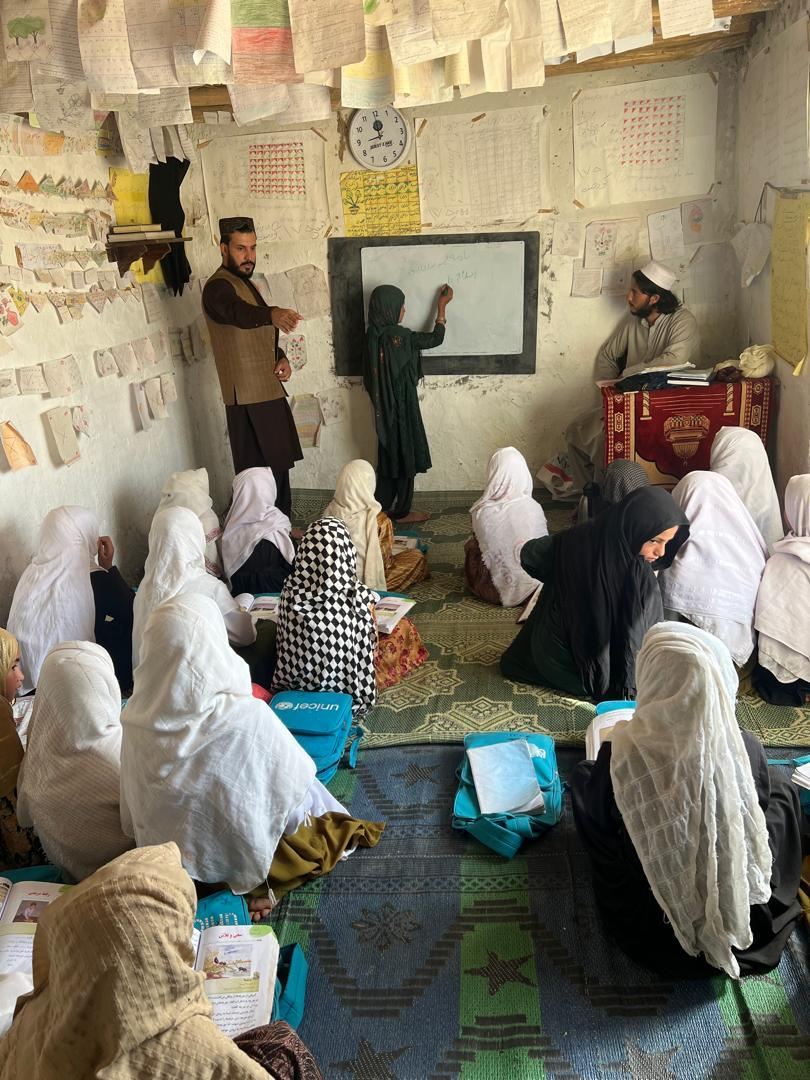
Through ARP's Community-Based Education program, I completed my education in my village. Today I am a teacher myself, helping other girls in my community access the education they deserve. ARP gave me hope when formal school doors were closed.
Read All StoriesNational Humanitarian NGO — Kabul, Afghanistan
We Rise by Lifting Others.
Afghanistan Rehabilitation Program (ARP) delivers education, health, livelihood, agriculture, and humanitarian services across 18+ provinces — empowering communities and rebuilding lives since 2006.
Trusted by 10+ international donors & partners
ARP at a Glance
20+
Years Active
36+
Projects Done
$7M+
Mobilized
18+
Provinces
Education & Community Learning
Health & Nutrition Services
Agriculture & Food Security
WASH & Infrastructure
Women's & Child Rights
2006
Established
0+
Years Active
0+
Projects Completed
0+
Provinces Covered
$0M+
Budget Mobilized
2006
Established
Reg. No. 401
About ARP
A Trusted Humanitarian & Development NGO
Afghanistan Rehabilitation Program (ARP) is a non-profit organization registered in Kabul, Afghanistan, providing health, education, humanitarian, livelihood, agriculture, food security, research, climate change, community development and recreational programs to people in need.
Established in 2006 to play a vital role in humanitarian and development settings, ARP contributes towards peace-building — a country where people can live in amity and harmony.
36+
Completed Projects
18+
Provinces Covered
10+
Donor Partners
4
Cluster Memberships
Education & Training
CBE/ALP programs, girls' education, vocational training & school rehabilitation.
Learn MoreHealth Services
Mobile clinics, maternal health, child nutrition and healthcare delivery.
Learn MoreAgriculture & Food Security
Crop improvement, seed enterprises, horticulture & livestock programs.
Learn MoreWASH
Water, sanitation & hygiene programming for vulnerable communities.
Learn MoreInfrastructure & Rehabilitation
Reconstruction of schools, clinics, roads, dams & community facilities.
Learn MoreWomen's Empowerment
Vocational training, legal counseling, apprenticeship & rights advocacy.
Learn MoreEmergency Response
Food assistance, shelter, CBT cash transfers & disaster relief.
Learn MoreYouth & Child Rights
Orphan support, ECD, AECSLAN youth network & child protection.
Learn More
Our Impact
ARP at a Glance
2006
Established
0+
Projects Completed
0+
Provinces Served
$0M+
Budget Mobilized
Partnerships
Donors & Partners
International & national organizations supporting ARP's mission
USAID
UNHCR
WFP
OXFAM
Geneva Call
FAO
JICA
Jhpiego
DFID/CARE
GFA
DAI Intl.
PAE
NHLP
ACARDA
CBARD
ISAF/ENG
Geographic Reach
Nationwide Coverage
ARP operates across 18+ provinces from Kabul HQ to the most remote areas of Afghanistan. Point at a province to find it on the map.
Kabul (HQ)
Nangarhar
Kunar
Bamyan
Daikundi
Ghazni
Wardak
Paktika
Khost
Balkh
Sar-e-Pul
Herat
Ghor
Kandahar
Zabul
Badakhshan
Kunduz
Farah
Afghanistan Coverage Map
Head Office
Provinces with ARP Programs
18+
Provinces
8
Regions
36+
Projects
Impact Stories
Success Stories
Featured Story